
Kinetic Rhythm Protocol // 2026 Archive
PRECISION CADENCE.
EFFORTLESS STRIDE.
Engineering neuromuscular frequency, ground contact attenuation, and elastic energy return for sustainable athletic endurance.
Engineering neuromuscular frequency, ground contact attenuation, and elastic energy return for sustainable athletic endurance.
Traditional training focuses predominantly on cardiovascular exertion and muscular force. At Alta Cadence, we isolate the mathematical relationship between footstrike frequency, braking vectors, and the tendon stretch-shortening cycle.
By fine-tuning stride turnover between 172 and 186 strides per minute, runners reduce cumulative joint load by up to 24% while unlocking sustainable kinetic momentum across any distance.
Initial ground contact positioned directly beneath the center of mass, mitigating horizontal braking deceleration.
Achilles tendon and plantar fascia deformation absorbing vertical ground reaction forces without structural collapse.
Rapid hip extension launching forward momentum at optimized step turnover between 174 and 184 steps per minute.
Compact heel recovery swing shortening the lever arm, enabling swift neuromuscular resetting before subsequent contact.
Calibrate your stride mechanics in real time. Adjust target pace, height, and step turnover to assess ground contact efficiency and kinetic recoil.
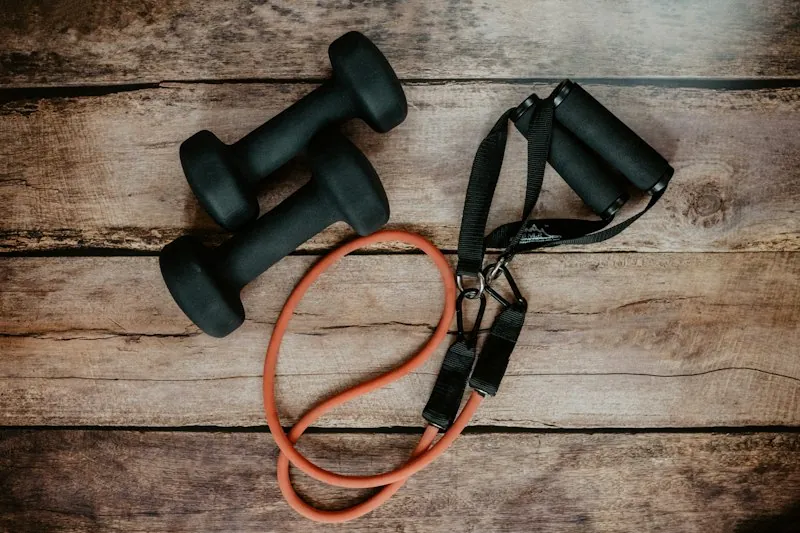 SPEC // 01 KINETIC
Biomechanical dual-carbon flex plate configured specifically for a 176–186 SPM cadence profile. Amplifies forefoot lever rigidity and reduces metatarsal energy dissipation.
Inquire Specification Sheet SPEC // 02 TEXTILE
Seamless ultrasonic micro-weave featuring graduated thoracic tension lines. Encourages scapular retraction and unobstructed respiratory expansion during tempo sessions.
Inquire Specification Sheet
“When you lock into your 182 SPM cadence frequency, distance ceases to be an obstacle. Running transforms into pure kinetic rhythm.”

We collaborate with athletic federations, research institutes, and elite running programs to analyze stride biomechanics and author validated training protocols.